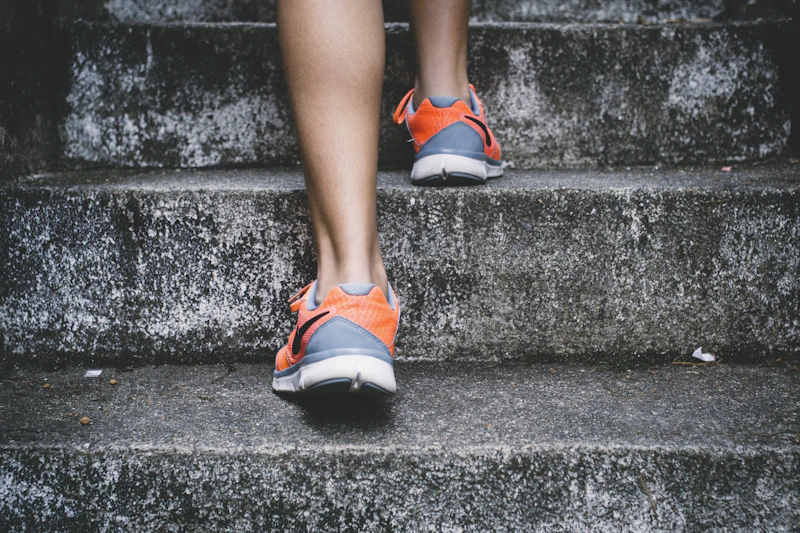
The supplement industry generates over $50 billion annually in the United States alone, with blood sugar management products among the fastest-growing categories. Meanwhile, the most effective blood sugar intervention requires no purchase at all: walking for 10 to 15 minutes after a meal.
The Glucose Curve
When you eat, blood glucose rises. That's normal. What matters is how high it spikes and how quickly it returns to baseline. Research published in Diabetologia found that a short walk after eating reduced peak blood sugar by 17–24% compared to sitting.
The mechanism is straightforward: when you walk, your muscles contract and pull glucose directly from the bloodstream for fuel. This glucose uptake happens independently of insulin, meaning it works even in people with insulin resistance.
Timing Matters
The optimal window is within 30 minutes of finishing a meal, with the greatest benefit seen when walking begins 15–20 minutes after eating. A 2022 meta-analysis of 135 studies confirmed that post-meal walking was more effective at managing glucose than walking at a random time during the day.
You Don't Need Intensity
This isn't about speed or heart rate zones. A leisurely walk — the kind where you can comfortably hold a conversation — is sufficient. Research from the University of Limerick found that even standing and performing light movement (pacing, gentle stretching) provided significant glucose-lowering benefits compared to sitting.
The Digestive Bonus
Post-meal walking also accelerates gastric emptying, reducing bloating and discomfort. Studies in the Journal of Gastrointestinal and Liver Diseases found that subjects who walked after meals reported 40% fewer digestive complaints compared to those who remained sedentary.
The takeaway is simple enough to act on today: finish your meal, then move for ten minutes. No equipment, no subscription, no optimization required.