The average American adult spends 4 hours and 37 minutes per day on their smartphone, according to 2025 data from eMarketer. Screen time tracking apps — the most common intervention — have been shown in multiple studies to have negligible long-term effects on usage. People check the report, feel bad, and continue scrolling.
The problem isn't awareness. It's environment.
Physical Placement
The single most effective intervention for phone usage is physical distance. A study from the University of Texas found that having a phone on the table — even face down, even powered off — reduced cognitive performance compared to having it in another room. Proximity triggers awareness, awareness triggers desire.
- While working: Phone in a different room or in a closed drawer.
- While sleeping: Phone charges in the kitchen or living room, not the bedroom. Buy a $10 alarm clock.
- During meals: Phone stays in a bag or on a counter. Not on the table.
Friction Design
The apps that consume the most time are designed to be frictionless — one tap to open, infinite scroll, autoplay. Adding friction makes mindless use harder:
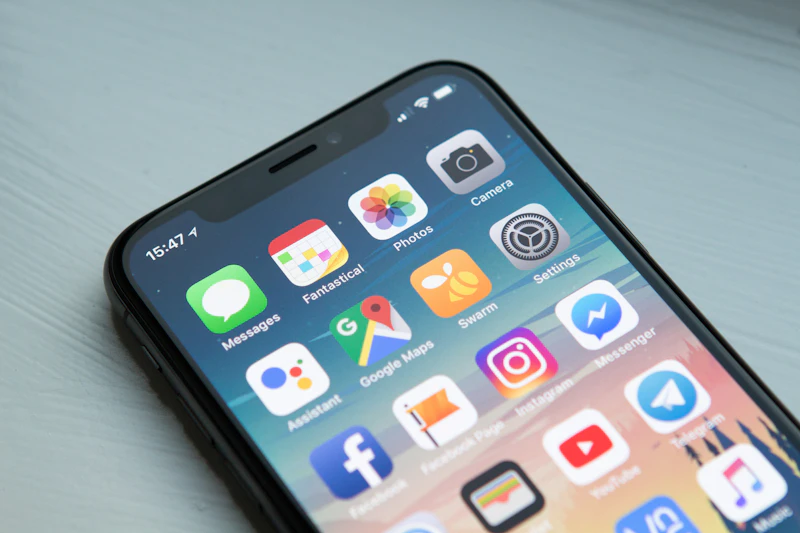
- Remove social media apps from your home screen. Bury them in a folder on the last page. Having to search for them adds 3–5 seconds of friction, which is enough to break the automatic habit loop.
- Turn off all non-essential notifications. Keep calls, texts, and calendar alerts. Turn off everything else. Each notification is an interruption that pulls you back to the phone.
- Switch to grayscale. Color is a primary engagement driver for apps. Grayscale mode makes your phone functionally useful but visually unappealing.
Replacement, Not Removal
Phone use often fills a legitimate need — boredom, social connection, information, entertainment. Removing the phone without addressing the need it fills creates a vacuum that willpower alone can't sustain. The question isn't "how do I stop using my phone?" It's "what do I want to do instead during those moments?"
A book on the nightstand. A notepad on the desk. A walk around the block when you feel the itch. The replacement doesn't need to be productive — it just needs to be intentional.