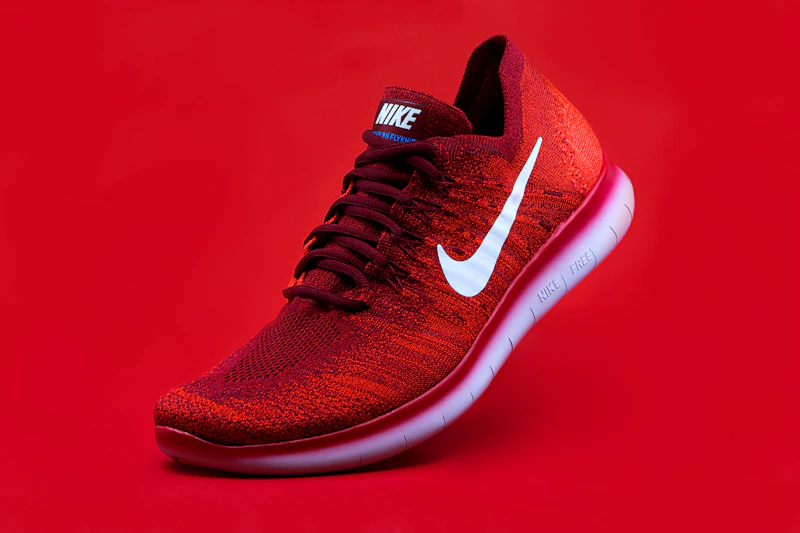
A $50 shoe worn daily lasts roughly 4–6 months before the midsole compresses, the upper creases irreparably, and the outsole wears through. That's $100–150 per year per pair. A $200 shoe from a quality manufacturer, rotated with at least one other pair, typically lasts 2–4 years. That's $50–100 per year — less money for a shoe that looks and feels better throughout its lifespan.
Why Rotation Matters
Shoes need 24 hours to fully dry between wears. Moisture from your feet gets absorbed by the insole and midsole materials; wearing shoes on consecutive days doesn't allow full evaporation, which accelerates material breakdown and creates odor-causing bacteria.
Two pairs rotated daily will each last nearly three times as long as a single pair worn daily. It's the single most effective way to extend the life of your footwear.
What "Quality" Actually Means
In dress shoes, look for Goodyear welt or Blake stitch construction — both allow resoling, meaning you can replace the bottom without discarding the upper. Cemented (glued) soles are the primary construction method for fast fashion shoes and cannot be repaired once they separate.
In sneakers, the markers are different: a denser midsole foam (like EVA vs. basic PU), reinforced heel counters, and leather or quality textile uppers rather than synthetic mesh that pills and tears.
The Three-Shoe Wardrobe
If you're starting from scratch, three shoes cover 95% of situations for most people: a clean white or off-white leather sneaker, a versatile leather boot (Chelsea or chukka in brown), and a sport-specific shoe for exercise. Add a fourth — a simple loafer or Derby — if your life regularly includes business or smart-casual settings.
The math is simple: three good shoes for $600 will outlast and outperform ten cheap shoes at $50 each. And you'll feel the difference every time you put them on.