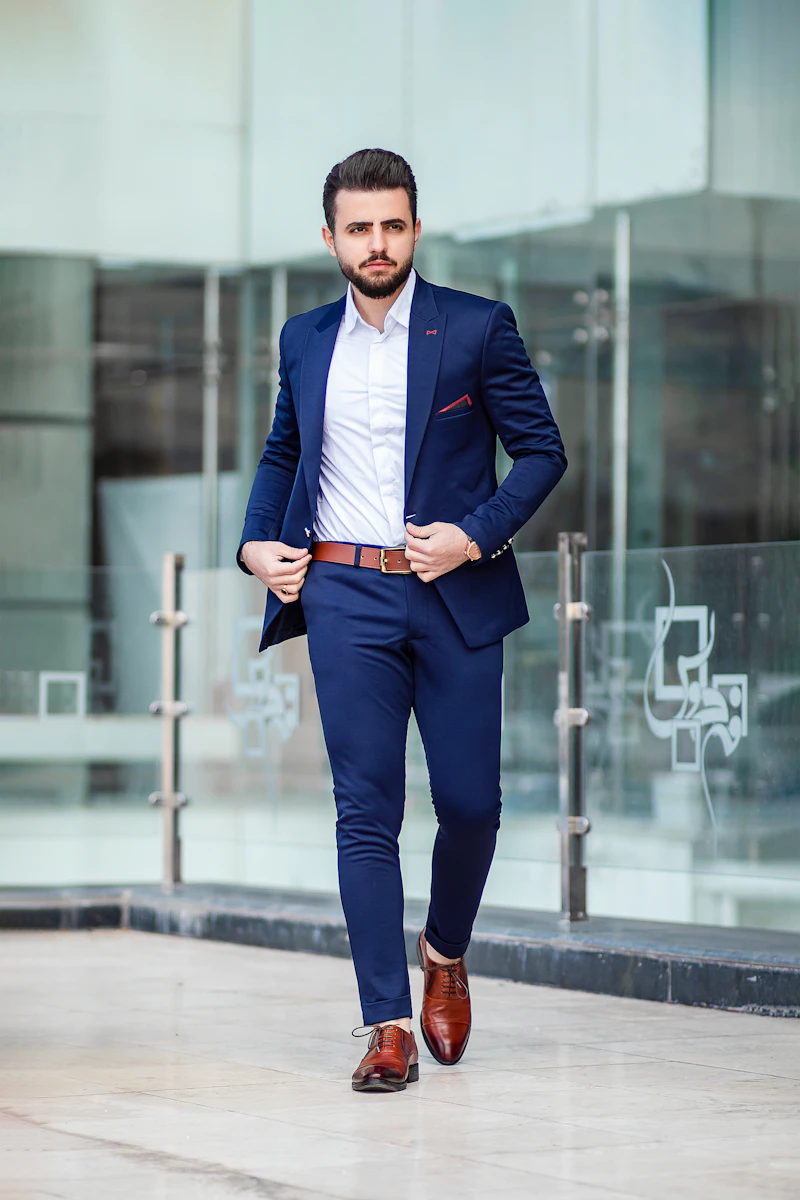
Four years into the remote work era, the data on clothing and psychology is clear: what you wear affects how you think, even when nobody sees you. A 2023 study in the Journal of Experimental Social Psychology confirmed the "enclothed cognition" effect — wearing clothing associated with attentiveness (structured, well-fitting garments) measurably improved sustained attention and cognitive performance.
The Remote Work Trap
The default trajectory for remote workers goes: business casual → casual → activewear → pajamas. Each step down feels like freedom at first but gradually erodes the psychological boundary between work and rest. When you're dressed the same for a meeting as you are for Netflix, your brain struggles to differentiate between the two contexts.
The Minimum Viable Outfit
You don't need to wear a suit to your home office. The threshold is lower than you think:
- Change out of what you slept in. This alone creates a mental transition.
- Real pants. Not dress pants — just anything with a waistband that isn't elastic. Chinos, jeans, even structured joggers.
- A top with some structure. A fitted t-shirt is fine. An oversized sleep shirt is not.
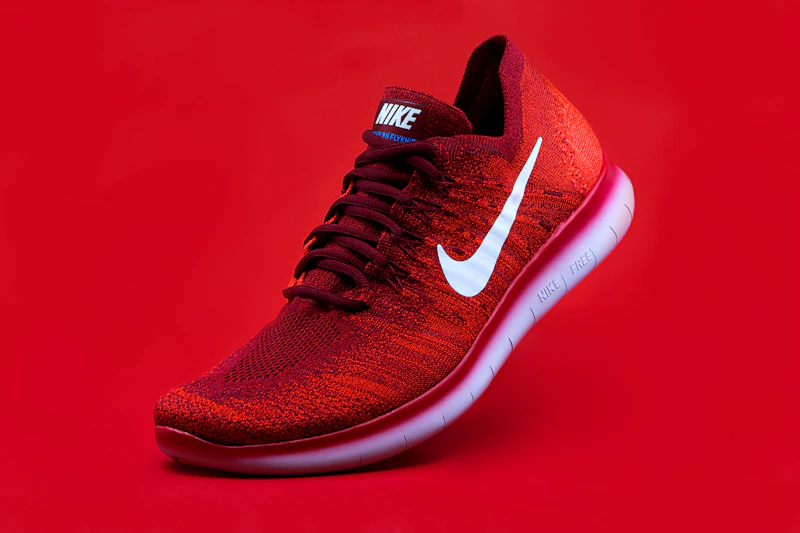
- Shoes optional but powerful. Even slipping on loafers or clean sneakers at home triggers a subtle shift.
The Video Call Equation
For the moments that matter — client calls, interviews, important meetings — solid colors in the mid-tone range (not black, not white) look best on camera. Fine patterns like pinstripes and small checks create moiré effects on webcams. Stick to fabrics with some texture (knits, chambray, flannel) over flat synthetic materials that look washed out on screen.
The goal isn't to perform professionalism. It's to use clothing as a cognitive tool — a low-effort way to signal to your own brain that the workday has started and deserves your attention.