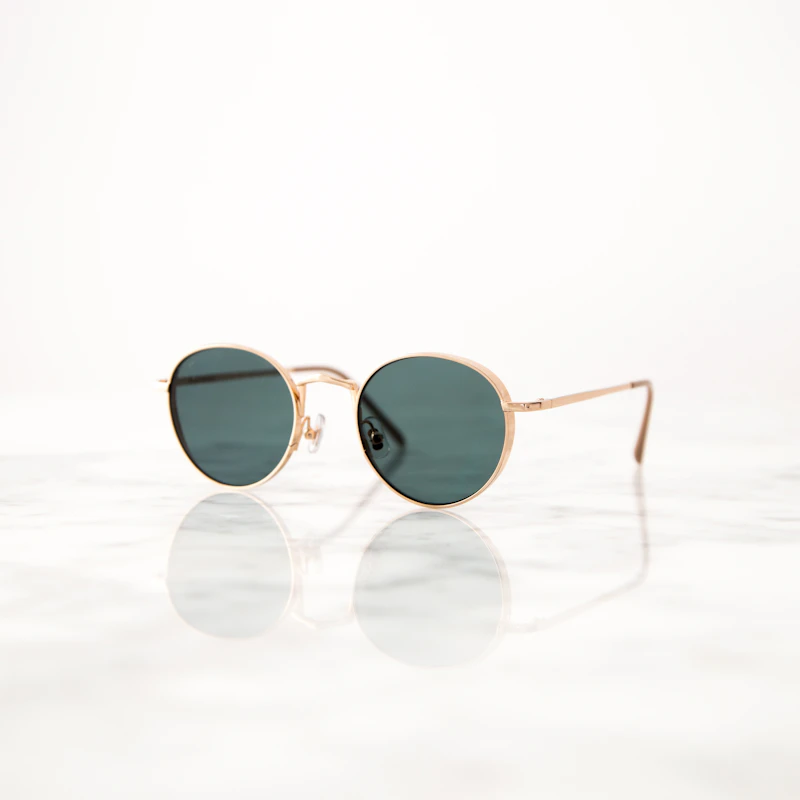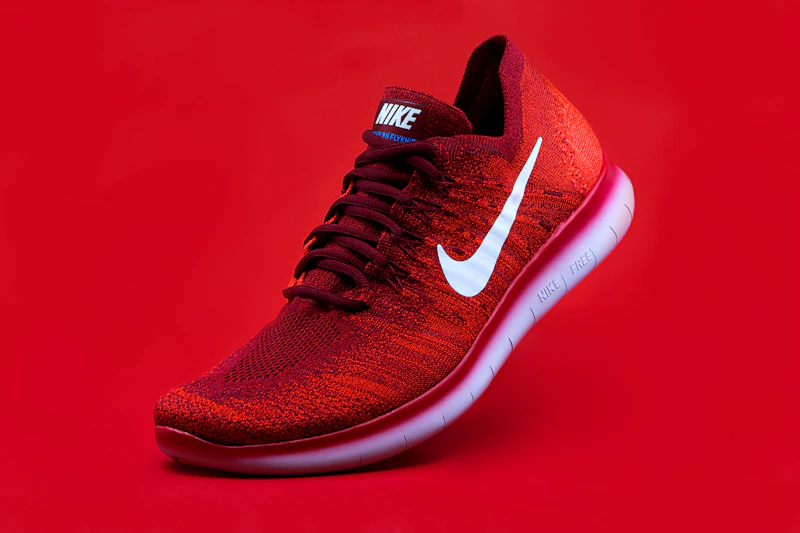
The capsule wardrobe concept has been recycled endlessly by content creators, each version featuring impractical pieces styled for photos rather than life. The result: people buy 33 "essential" items they never reach for and feel worse about their closet than before.
A functional capsule wardrobe isn't about minimalism as an aesthetic. It's about reducing the cognitive load of getting dressed while ensuring you look put-together for the contexts that actually matter in your life.
Start With Your Actual Week
Before buying anything, audit what you actually wore over the past two weeks. Not what you wish you wore. What you put on your body. For most people, 80% of their days fall into 2–3 dress codes: casual, business casual, or one specific activity (gym, errands, going out).
The 20-Piece Foundation
A working capsule for most lifestyles:
- 5 tops: 2 solid-color tees, 1 button-down, 1 sweater/knit, 1 casual layer (overshirt, light jacket)
- 4 bottoms: 1 dark denim, 1 chino/trouser, 1 casual pant, 1 shorts or seasonal piece
- 3 shoes: 1 clean sneaker, 1 leather shoe, 1 boot or seasonal shoe
- 3 outerwear: 1 light jacket, 1 medium layer, 1 heavy coat (climate dependent)
- 5 basics: Underwear and socks in sufficient quantity. Not glamorous, but the foundation.
Quality Markers That Matter
Fabric weight, seam construction, and collar structure are the three things that separate a shirt that lasts from one that doesn't. Ignore brand names — check the GSM (grams per square meter) on t-shirts. Anything above 200 GSM will hold its shape through washes. Below 160 and you're replacing it in three months.
The Color System
Choose 3 neutrals (black, navy, gray, white, cream) and 1–2 accent colors you genuinely like. Everything should work with everything else. This isn't about being boring — it's about making "what should I wear?" a question that takes 30 seconds instead of 15 minutes.